Essays on
Art, Design &
Technology
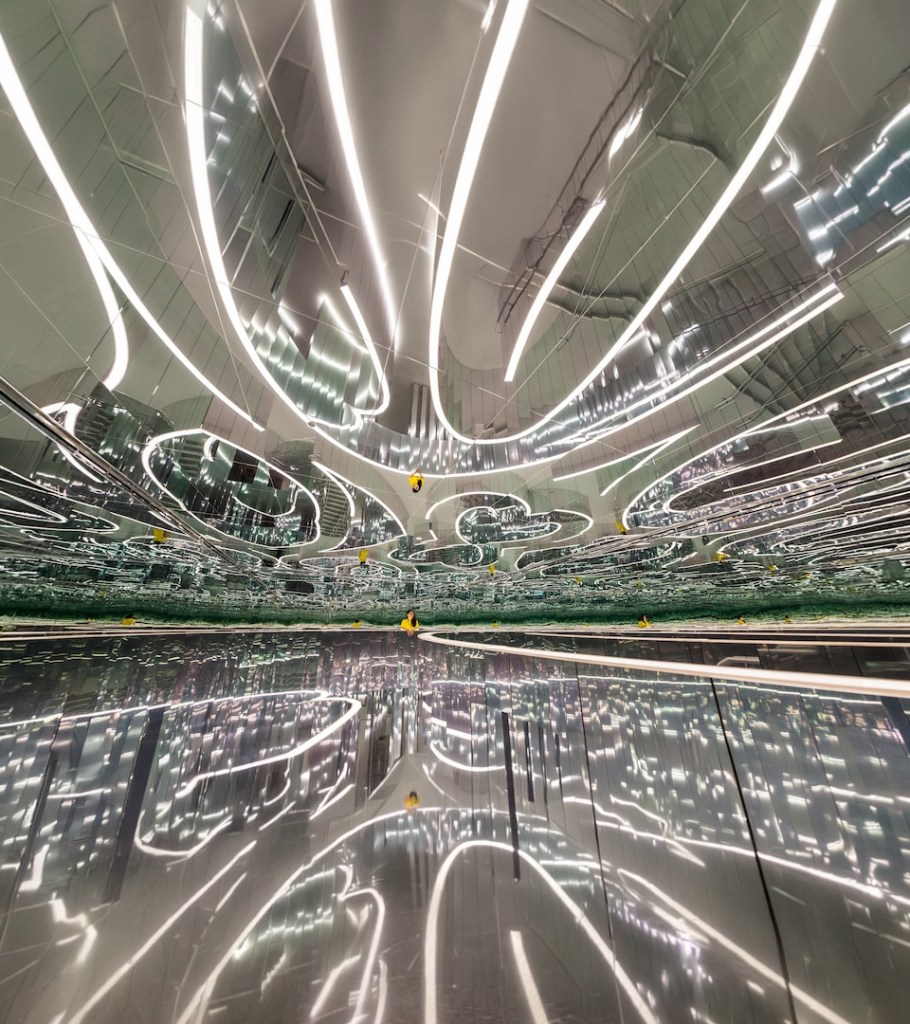

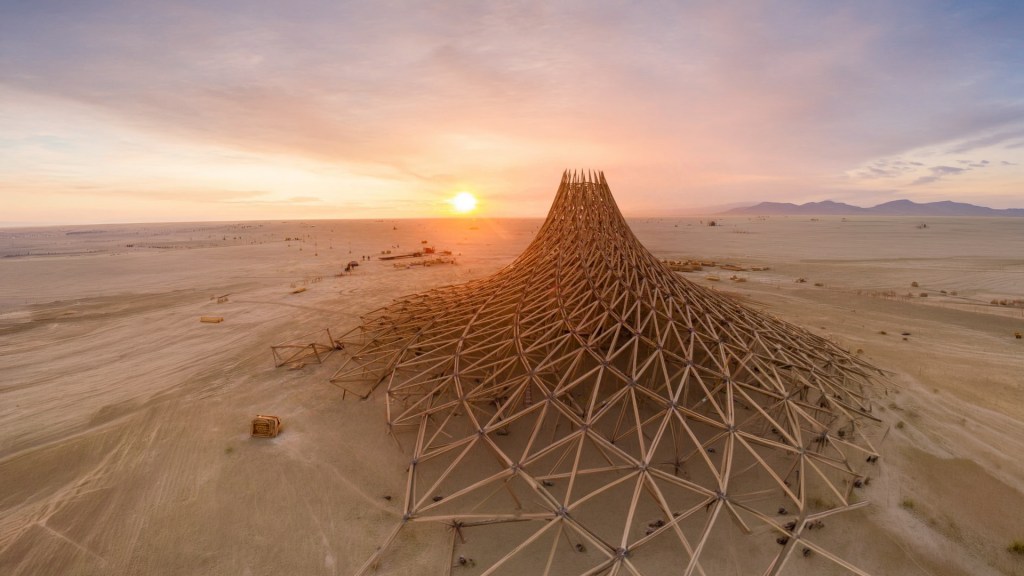
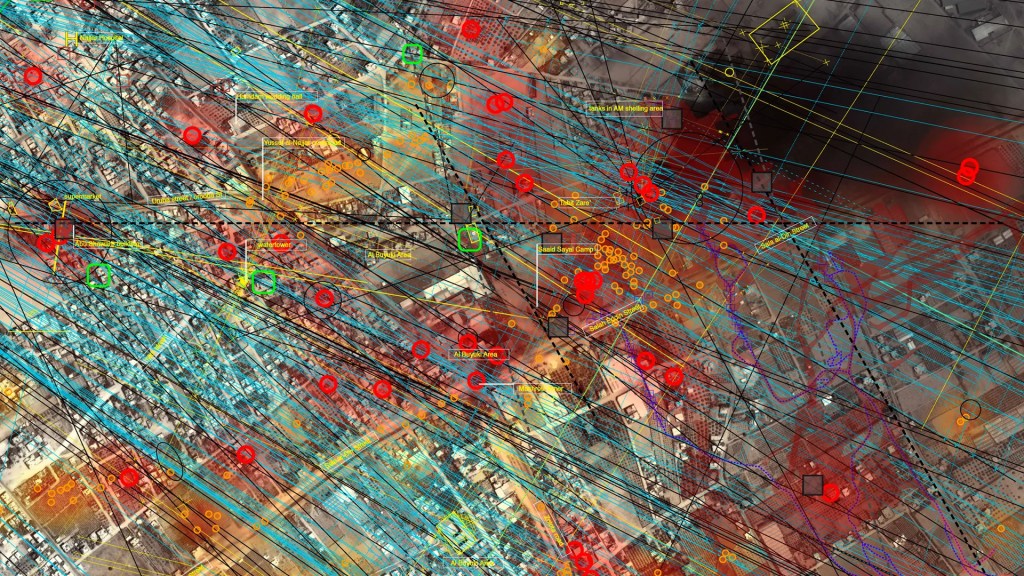
Imagining Tomorrow: Why Futures Need Images – Part II
The future cannot be observed, it must first be imagined. Building on Vilém Flusser’s philosophy of technical images, this essay explores why renderings, speculative visualizations, and concept designs are more than representations of tomorrow. They are cognitive instruments that transform uncertainty into shared imagination, shaping the futures societies are willing to build.



Latest Podcast Episode
The Last Design Revolution: Why the Bauhaus Still Matters and Why We Are Misunderstanding Adaptability in the Age of AI
In recent years, I have found myself returning to a question that appears deceptively simple: what does design actually do today? The increasing integration of AI into branding and communication is often framed as progress. Flexibility, scalability, adaptability. These are the dominant terms. What is rarely questioned, however, is the underlying understanding of design that informs this development.

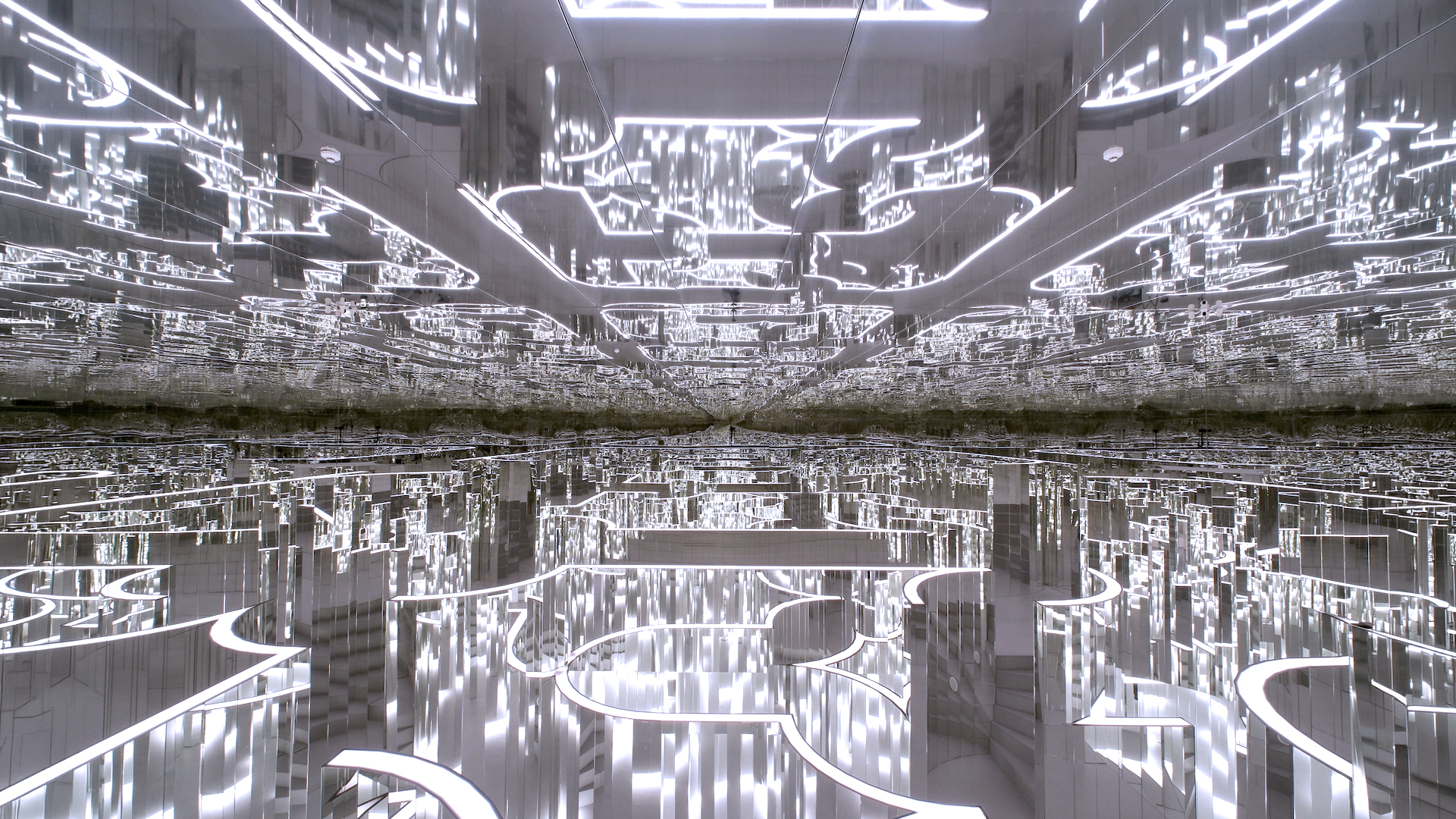
Lee Bul’s Pessimistic Belief In Progress
Lee Bul is considered one of the foremost women artists from Asia to emerge in the international art scene in the 1990s. Her artistic practice represents humanity’s desire for a utopian existence. It’s a desire that is doomed to failure, but it is still driven by humankind’s wanton need for the realization of impossible dreams.

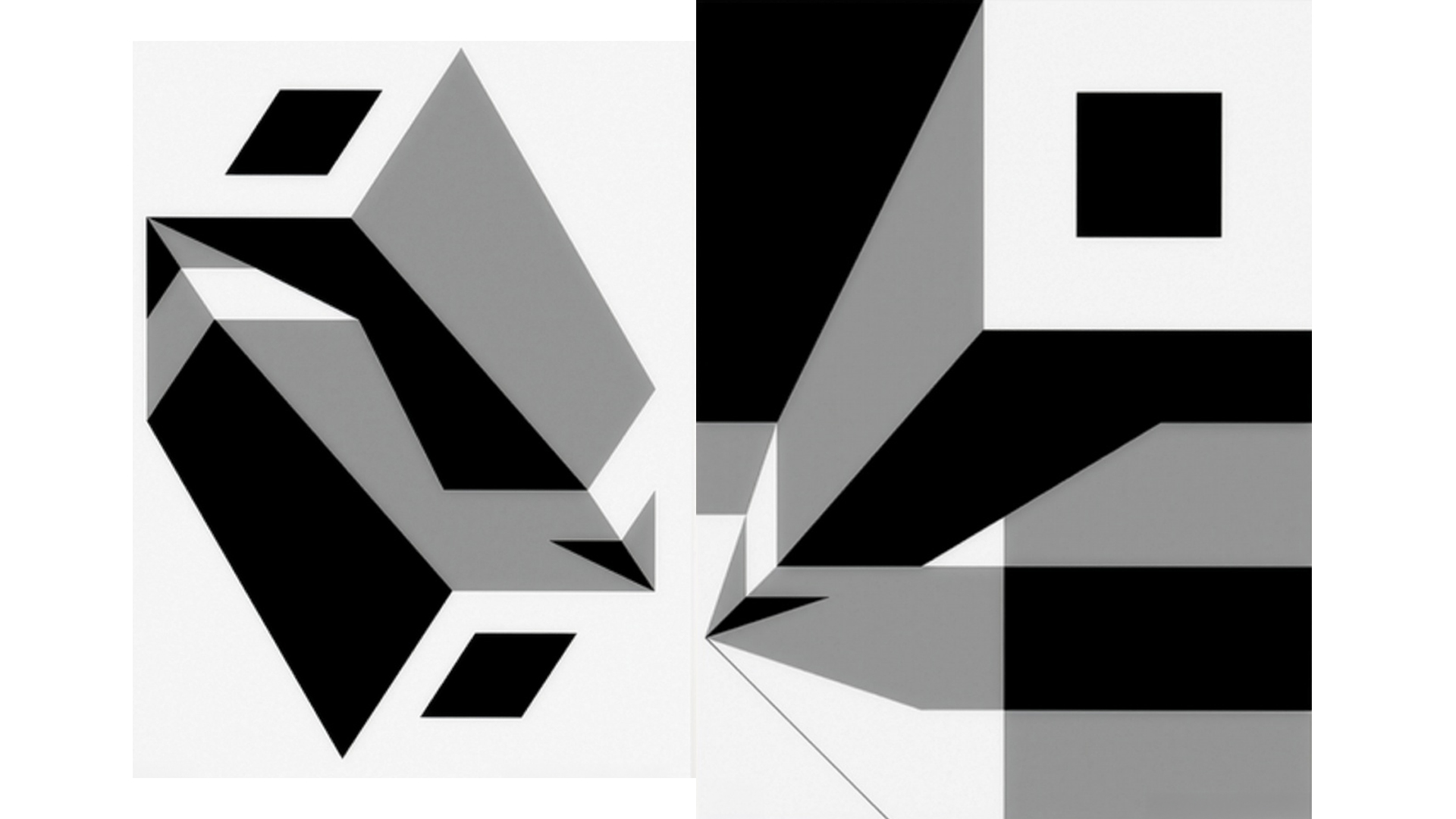
Reduction as Insight: Why AI Struggles with Abstraction, Minimalism, and Brand Development
The current integration of AI into brand development reveals a consistent and structurally grounded problem. The outputs are often technically proficient, formally coherent, and immediately deployable. Yet in many cases, they remain conceptually weak and strategically unusable. This discrepancy cannot be explained by deficiencies in execution. It points instead to a fundamental difference in how meaning is produced.
Essays on
Art, Design & Technology
All Articles
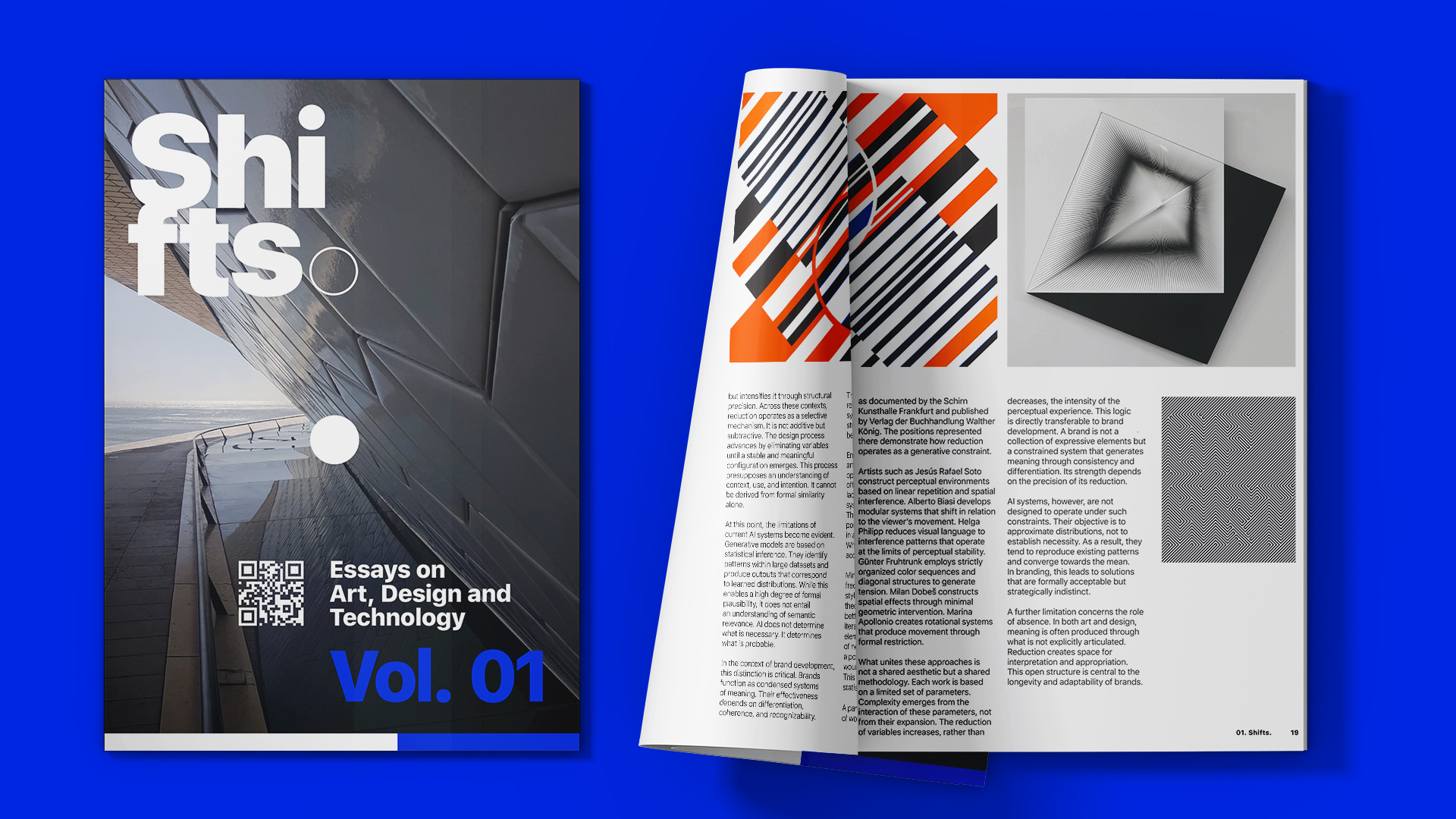
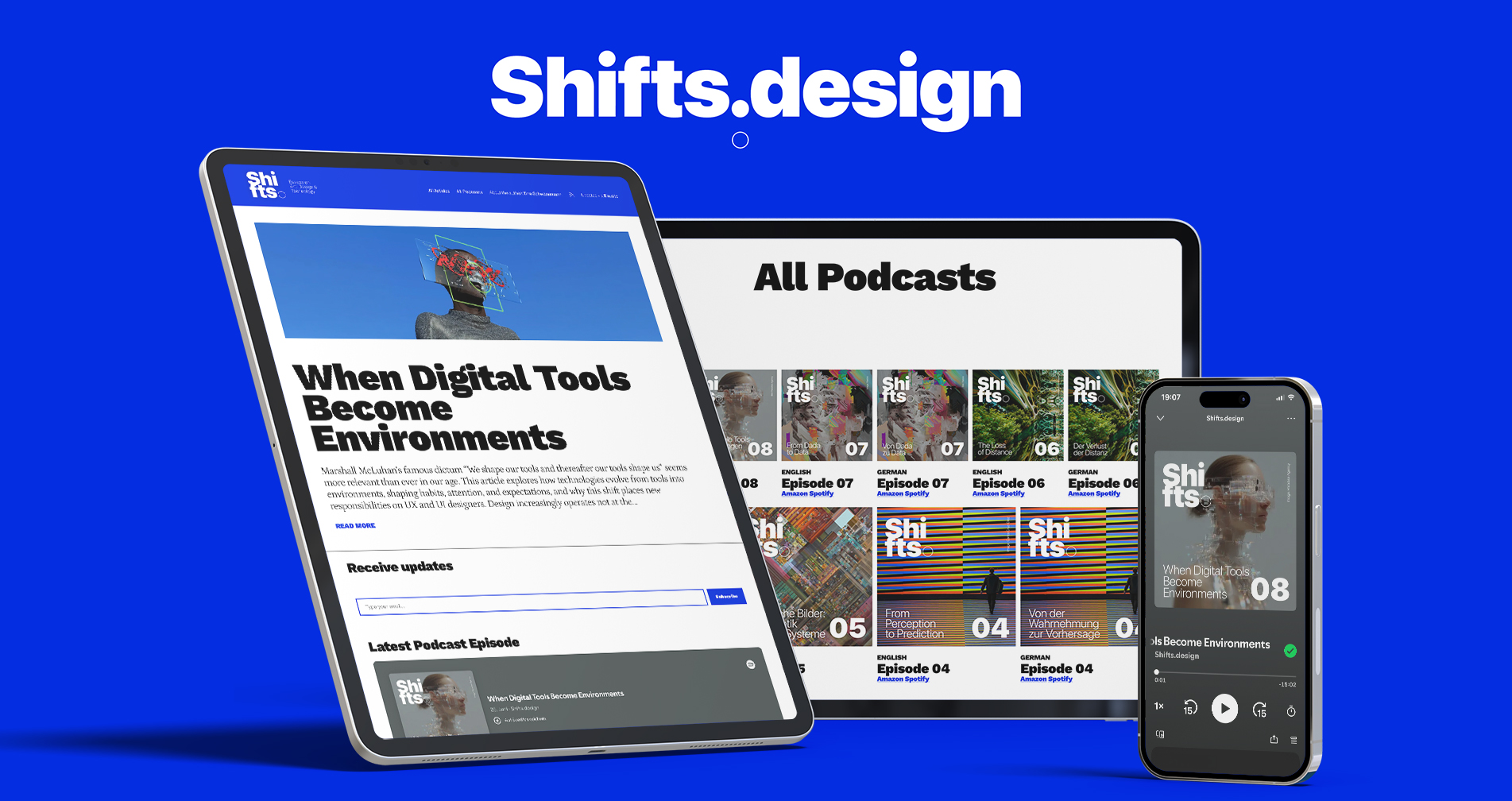
Shifts is dedicated to contemporary perspectives on design, visual arts, culture and technological development.
The blog explores how design operates within changing social, technological, and cultural conditions, connecting historical discourse with emerging developments in art, media, branding, and digital transformation.
Shifts brings together theoretical reflection, contemporary observation and interdisciplinary perspectives to examine how design continues to influence the way we perceive, organize and understand complex environments.



All Podcast Episodes
LatesT Articles
László Moholy-Nagy
Designing is not a profession but an attitude … Thinking in relationships.
Sign up for email newsletter & e-mag
Pour la culture avec Murmure!
Based in Caen and Paris, Murmure is a French creative communication agency specializing in the strong visual identity. The agency is directed by two artistic directors and aspires to produce and develop singular creative and aesthetic projects adapted to its clients’ desires.
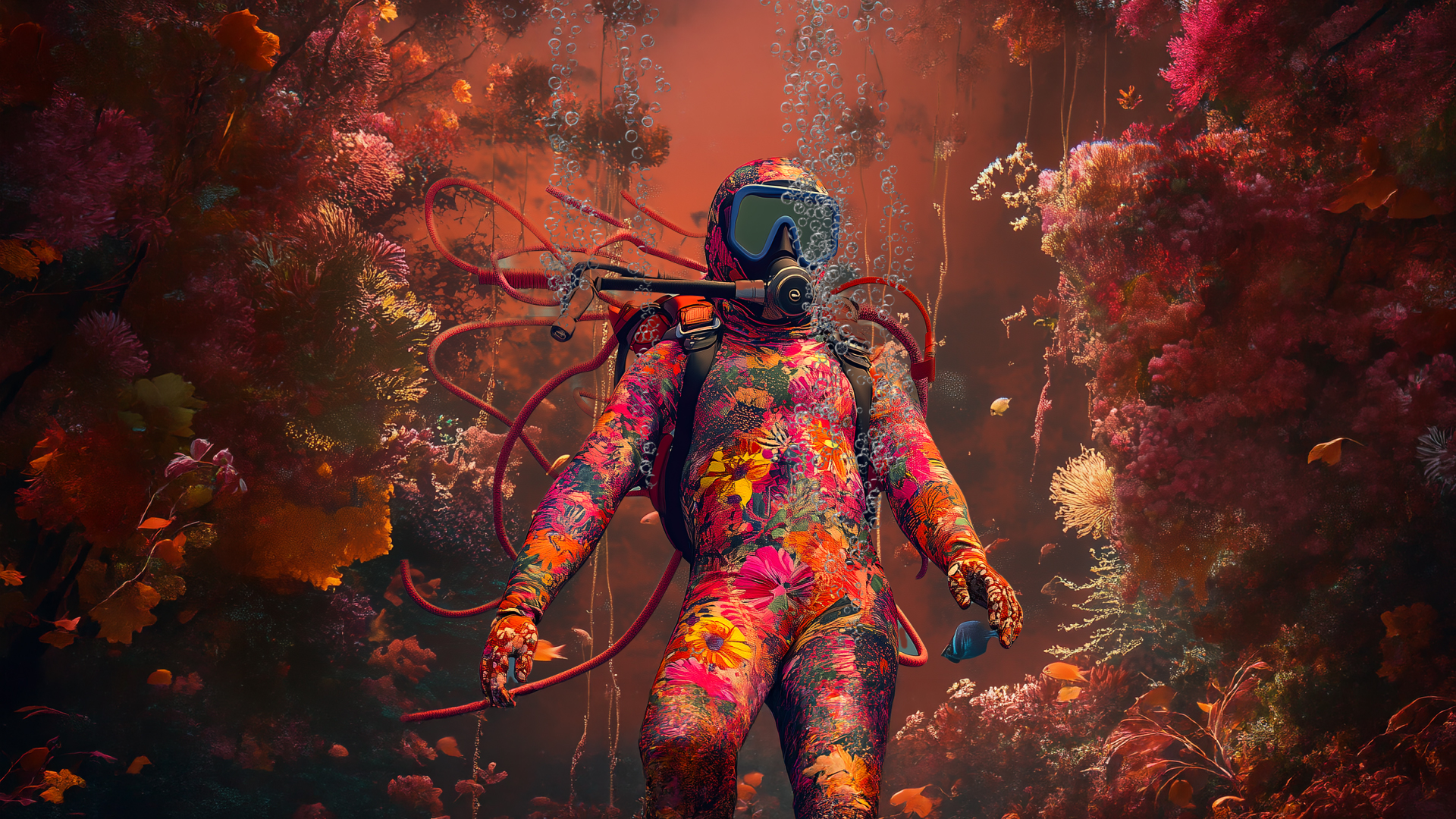
Evelyn Siegmund’s Image Processing
Those who think all the visually stunning and creative artwork in Germany comes from Berlin, Hamburg or Düsseldorf might take a look on Evelyn Siegmund to change their perspective.
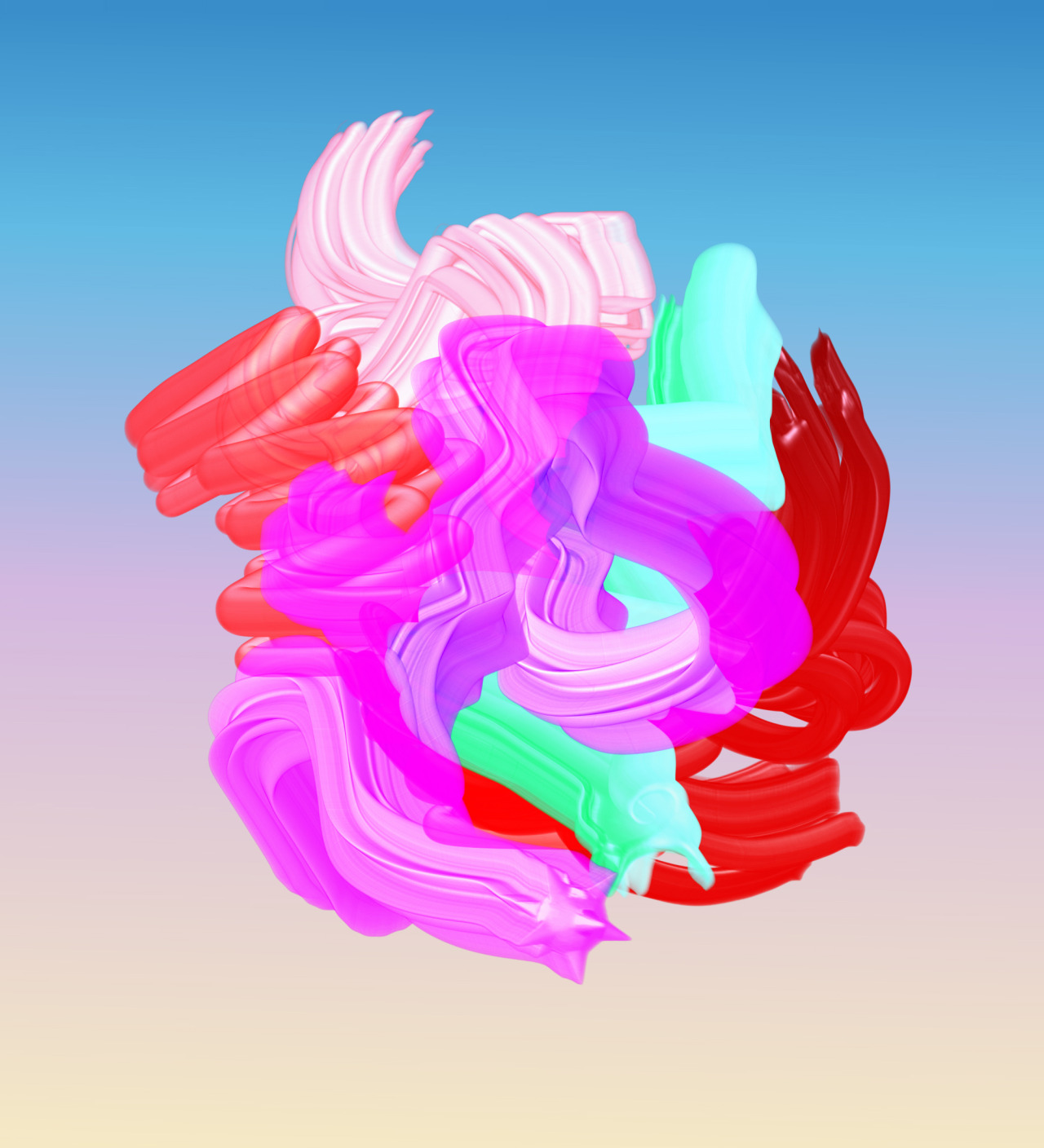
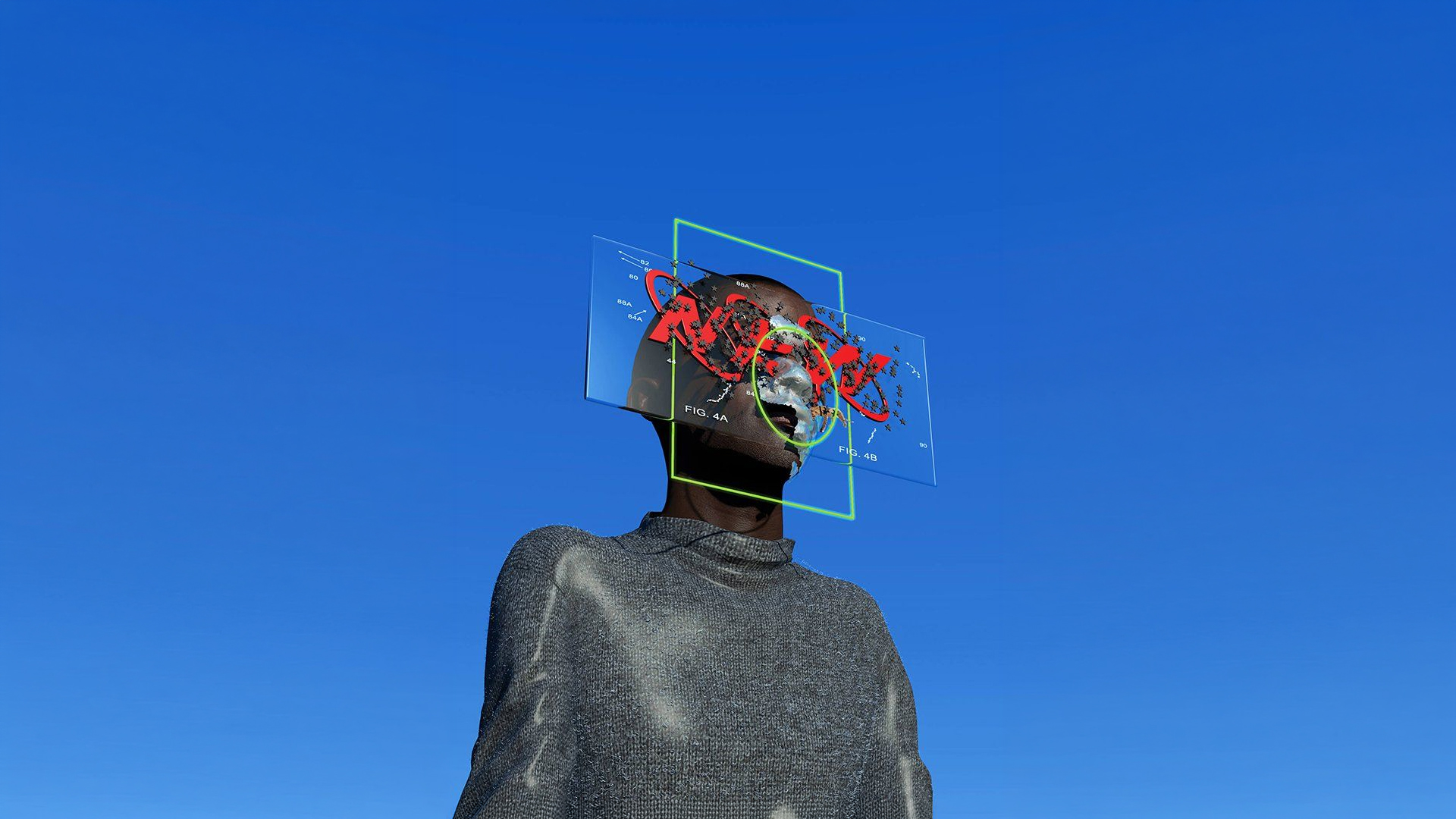
David Marinos – A Contemporary Digital Sculptor
Living between Greece and Bulgaria, the youngin’ has already spent years honing in on his aesthetic, undoubtedly the result of the heritage he shares with the art-historical canon. Unlike the ancient Greeks, however, Marinos sculpts his figures with the slice tool, and paints them in glitched-out neon.
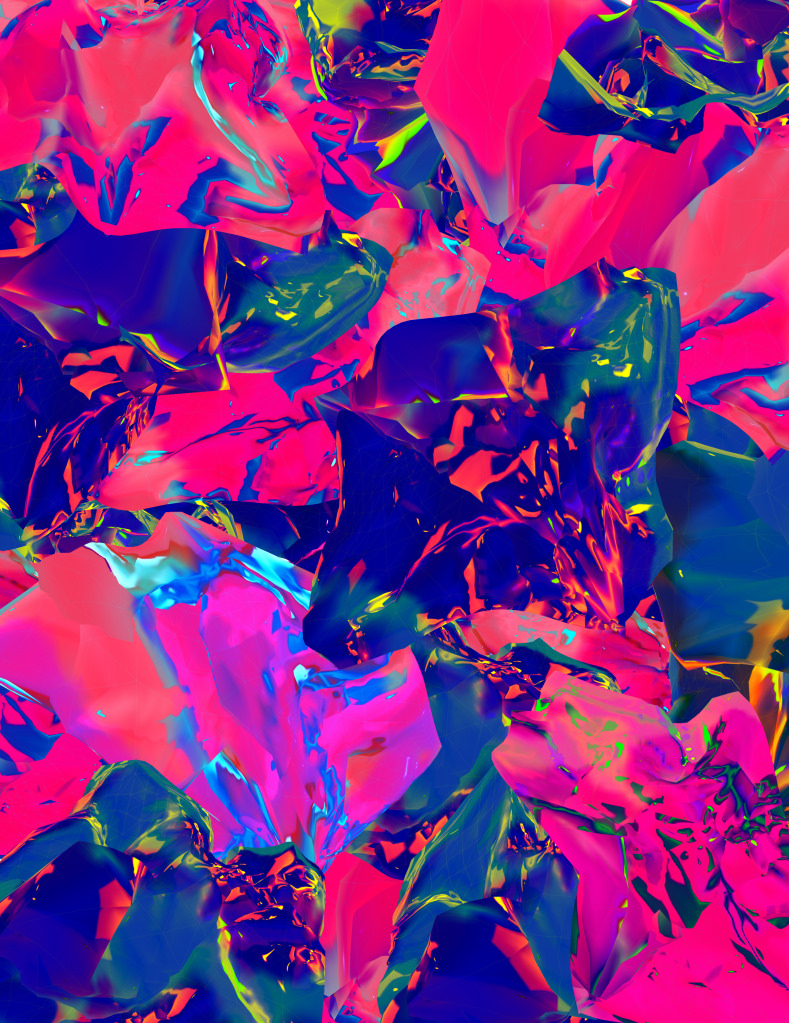

The essays explore how design operates within larger cultural, technological, and systemic transformations: from Bauhaus, cybernetics, and media theory to AI, generative systems, interfaces, branding, and digital culture.
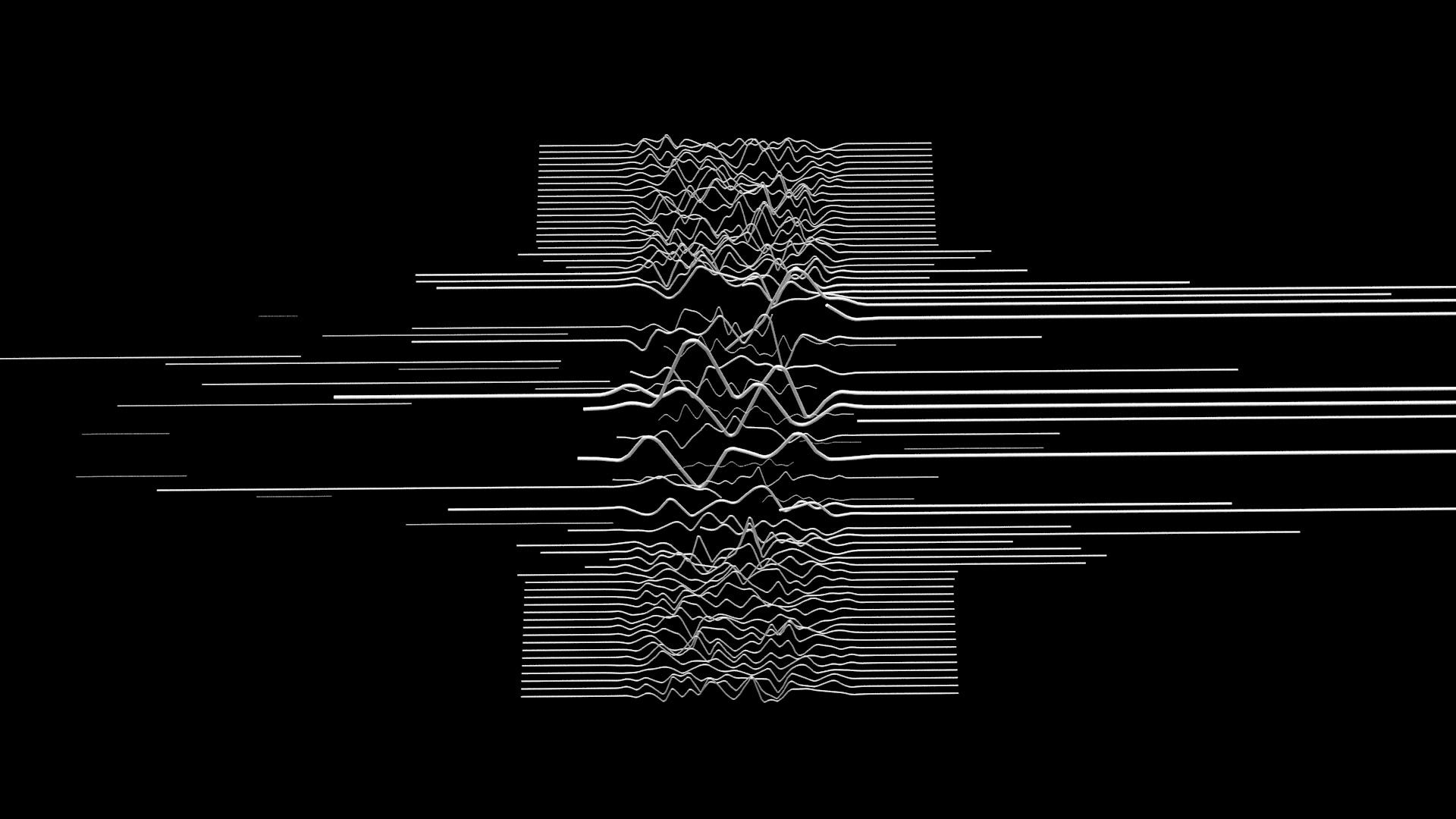
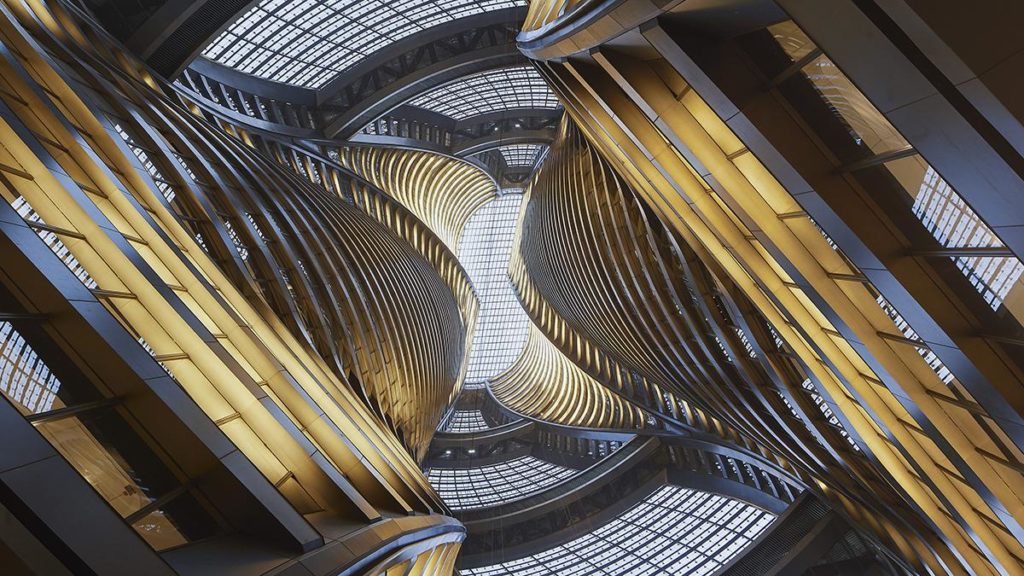
What interests me most is how systems shape perception, behavior, and meaning today. Especially in a moment where design increasingly moves from creating objects to organizing relationships, environments, and experiences.






Article Search


Cross-Cultural Anxieties
The antique appearance of the photographs is often at odds with the sharp lines and silky shimmer of the threads. The combined media gives the effect of a dimension where history and future converge. Anzeri’s delicately stitches veil recasts the figure with an uncomfortable modesty, overlaying a past generation’s cross-cultural anxieties with an allusion to our own.

Six N. Five’s Le Monde Des Images
Six N. Five is bridging design together with art in a distinctive fashion. Since being founded in 2014, the design studio has been transforming perceptions of what digital design can be through their minimal, surreal, and tranquil creations.